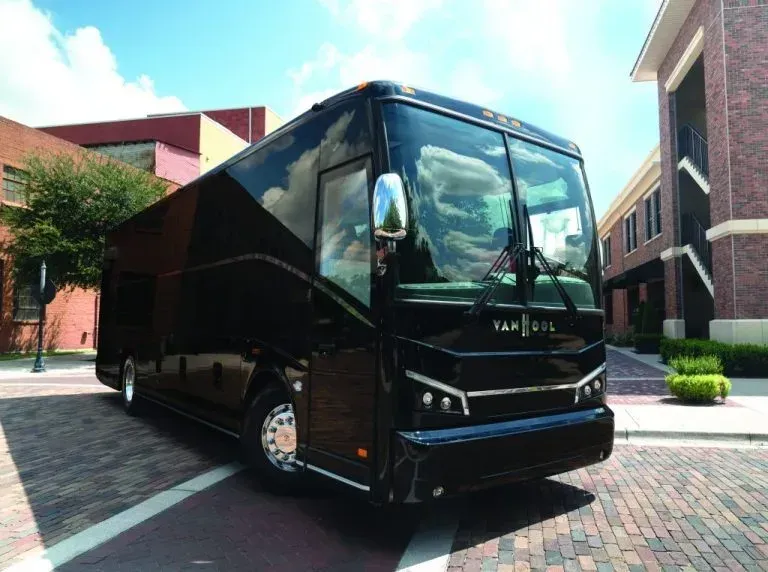
Organizing transportation for a large group can soon become a challenging responsibility when several schedules, pickup details, and travel requirements are involved. Whether the occasion is a professional meeting, family event, social outing, or special gathering, coordinating punctual arrivals requires thoughtful organization. A well-organized transportation strategy helps eliminate confusion, reduces delays, and creates a more enjoyable experience for everyone involved. By understanding the key elements of group transportation coordination, organizers can create a seamless travel experience from beginning to end.
When large groups travel together, transportation becomes more than simply moving passengers from one location to another. It plays a valuable role in shaping the complete event experience. Thoughtful planning helps support schedules, facilitate communication among passengers, and promote a smoother journey. At A1 Quality Express Limousine, we recognize the value of providing structured transportation solutions that allow groups to travel comfortably and confidently.
Begin Transportation Planning Early
Well-organized group transportation begins through early planning. Leaving transportation planning too late may restrict options and complicate efforts to address specific group needs. Organizers should begin by determining the number of passengers, travel dates, estimated departure times, and destination requirements. Obtaining these details early helps establish a dependable framework for organizing transportation that supports the overall itinerary.
Planning ahead also provides opportunities to recognize potential issues before they escalate. Transportation arrangements can be affected by traffic conditions, event timelines, pickup coordination, and accessibility requirements. By managing these considerations early, planners can create a transportation approach that promotes efficient group travel. Thorough preparation often results in smoother travel experiences and fewer unexpected disruptions.
Assess the Number and Needs of Participants
One of the most important steps in coordinating transportation for large groups is understanding the group's size and specific requirements. Accurate passenger counts help ensure the appropriate vehicles are selected and prevent overcrowding or underutilized transportation resources. Planners should verify attendance information early and revise those numbers whenever plans change.
Beyond passenger numbers, it is important to consider individual needs within the group. Different passengers may require additional baggage capacity, accessibility accommodations, or other forms of assistance. Considering these factors allows transportation planning to address specific passenger needs more effectively. Obtaining comprehensive details helps planners deliver greater comfort and efficiency throughout the trip.
Build a Structured Transportation Schedule
A detailed transportation plan works as a reference point check here for everyone involved. Organizers should outline departure times, pickup locations, travel durations, arrival targets, and any planned stops along the route. A clear schedule helps eliminate uncertainty and keeps all participants informed of timing and locations. Consistency and clarity are especially valuable when managing larger groups with multiple participants.
Strong communication is fundamental in keeping schedules functional and accurate. Each participant should be informed of transportation details ahead of time. Sending itineraries through communication channels ensures all passengers remain updated. When participants have clear expectations, transportation operations tend to run more smoothly and efficiently.
Establish Centralized Pickup and Drop-Off Locations
Managing multiple pickup locations can create unnecessary complexity for large-group transportation. Whenever feasible, planners should designate central pickup and drop-off locations that are convenient for everyone. Consolidating gathering locations helps streamline the boarding process and reduces delays caused by coordinating multiple stops. It also enhances communication and increases overall operational efficiency.
These locations simplify passenger tracking before the journey begins. Group leaders can verify attendance, distribute updates, and answer questions before the journey begins. This organized approach helps ensure that everyone is prepared and that transportation operations stay on schedule. Well-defined meeting areas contribute to efficient and organized transportation.
Prioritize Clear Communication Throughout the Process
Clear communication is among the most important elements of successful transportation planning. All group members should receive ongoing updates about schedules and changes. Accurate communication reduces confusion and helps passengers prepare properly. Strong communication supports both efficiency and passenger satisfaction.
Organizers should establish reliable methods for sharing updates before and during the event. Group messaging systems, email notifications, and designated contact persons can help ensure information reaches all participants quickly. Communication consistently serves as the unifying factor in organized transportation. Frequent updates improve reassurance and reduce potential issues.
Be Ready for Unplanned Events
No matter how detailed the plan, unexpected conditions may still arise. Conditions such as weather, traffic, timing changes, and delays may demand immediate action. Building flexibility into transportation plans helps organizers respond effectively when unforeseen situations arise. Preparation increases resilience and supports smooth operations even when conditions change.
Contingency strategies should include backup plans, route alternatives, and key decision contacts. Defined procedures support calm and organized reactions to unexpected issues. Forward planning ensures transportation continues smoothly even when changes are required.
Emphasize Comfort and Convenience for Passengers
Comfort significantly impacts how passengers experience transportation. Long travel durations for groups increase the importance of comfort and convenience. Proper seating arrangements and organized boarding improve the overall journey atmosphere. Comfortable travelers are more likely to enjoy the journey and arrive prepared.
Convenience enhances the effectiveness of transportation arrangements. Efficient procedures and clear instructions reduce unnecessary difficulties. Proper organization allows travelers to focus on the experience rather than planning details. A comfortable and convenient journey often enhances the overall success of the occasion.
Rely on Experienced Transportation Teams
Coordinating transportation for large groups involves many moving parts, making professional support a valuable resource. Experienced teams are skilled in managing logistics and maintaining smooth operations. Their expertise helps planners manage complex logistics while maintaining organized and dependable operations.
Experienced teams offer insights that improve planning and execution. Their expertise in group travel supports proactive problem-solving. Using expert support allows organizers to concentrate on the event while logistics are managed properly.
Make Transportation an Extension of the Event
Transportation functions best when integrated into the event experience. Proper coordination gives travelers time to unwind and connect before reaching their destination. When transportation is organized effectively, it contributes positively to the overall experience and helps establish a professional and welcoming atmosphere.
At A1 Quality Express Limousine, we understand that successful transportation relies on planning, communication, and customer care. Managing group transportation becomes easier when effective strategies are used. Strong organization and preparation create smooth journeys that support event success. We take pride in offering transportation solutions that support confident and stress-free travel.